About SODIUM HYPOPHOSPHITE
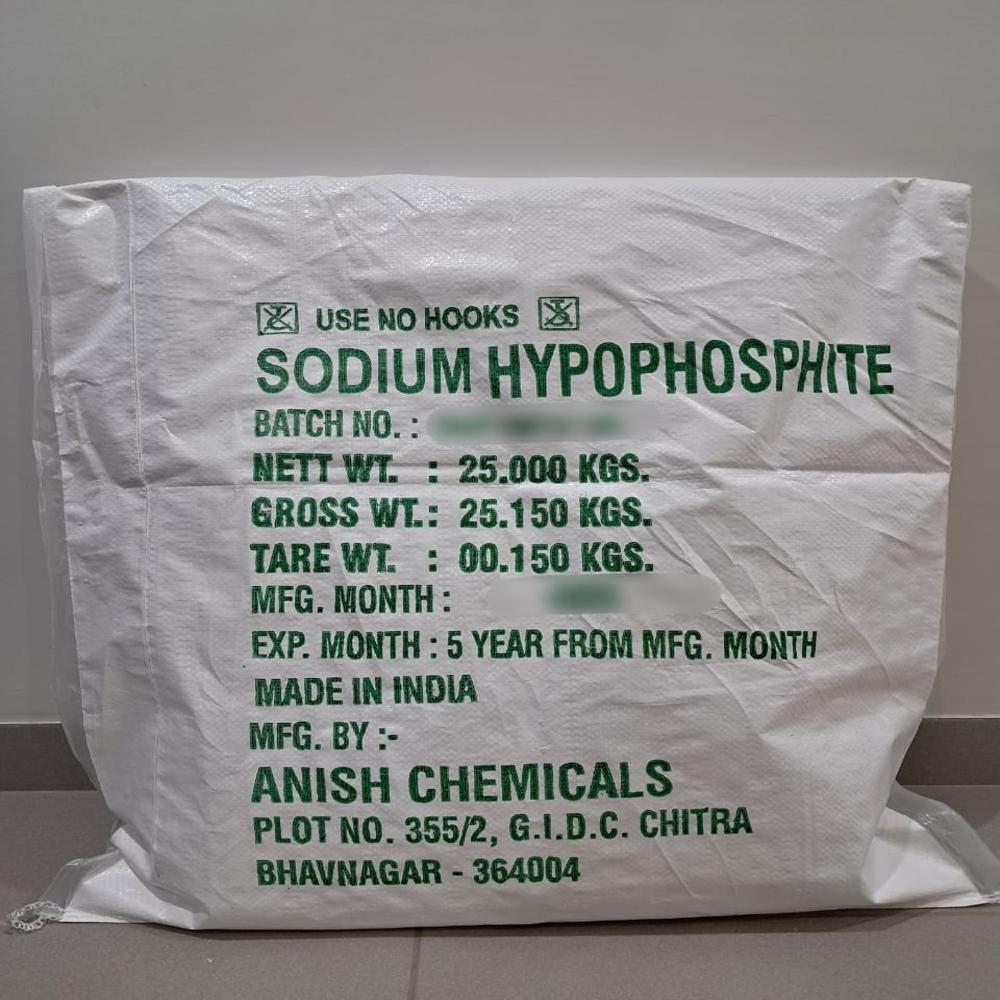
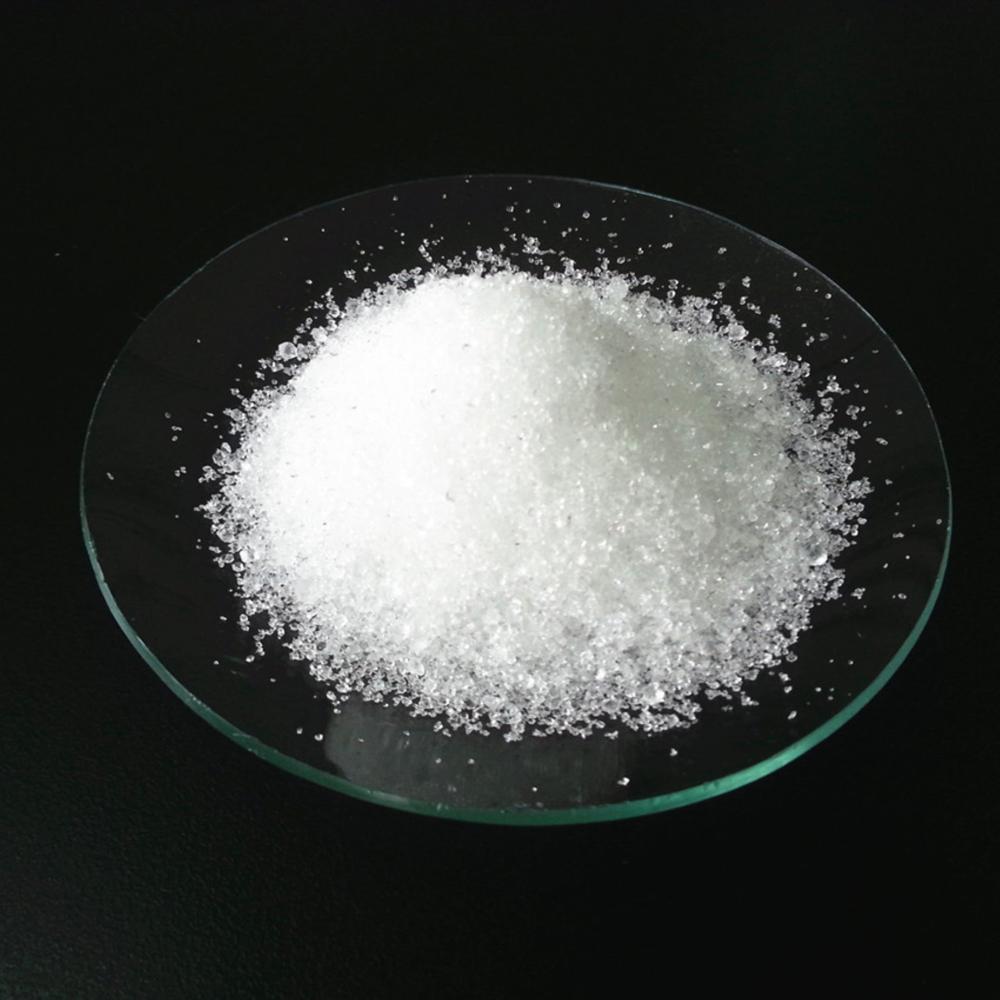
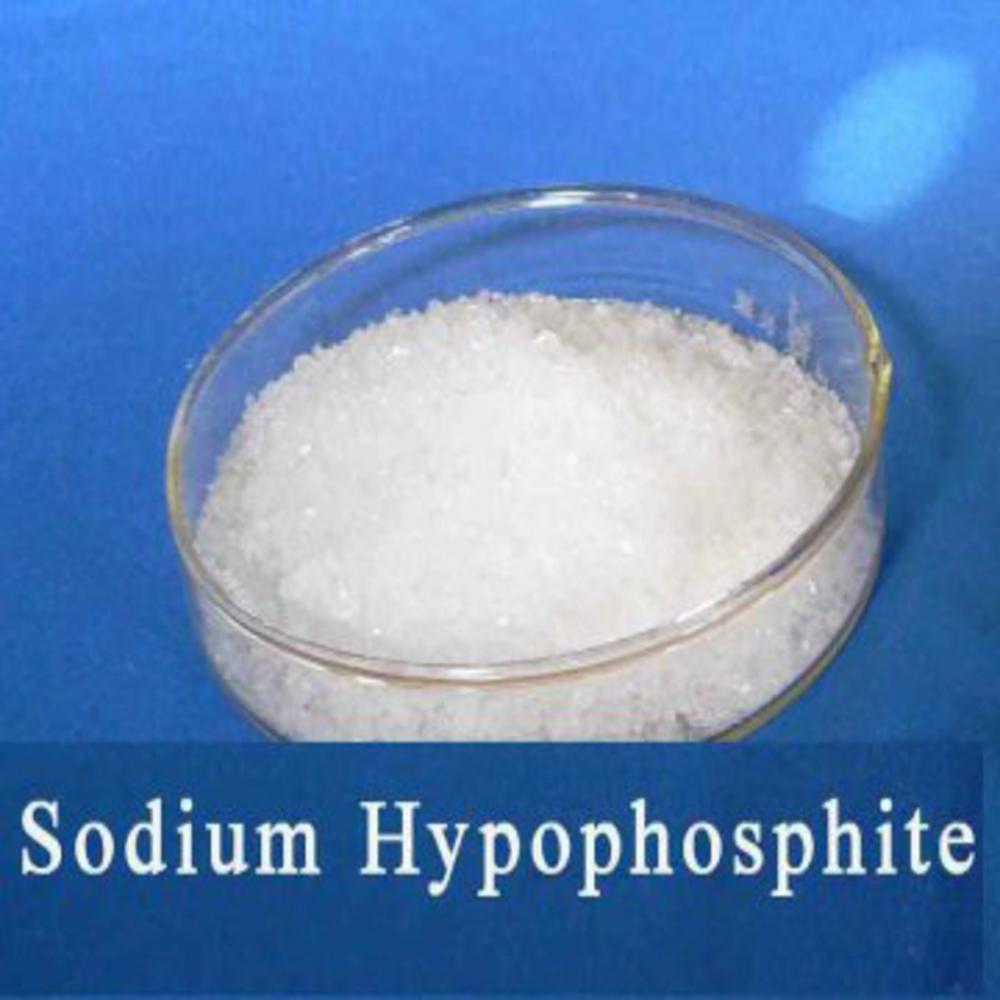
Sodium Hypophosphite Monohydrate is an inorganic hypophosphite compound supplied as a white crystalline powder or crystals. It is primarily used in industrial chemical processes, electroless plating, metal surface treatment, and as a reducing agent in various chemical formulations.
Versatile Industrial ApplicationsSodium Hypophosphite's unique reducing properties and high solubility make it essential for electroless nickel plating, enhancing corrosion resistance and durability of metal surfaces. Additionally, its ability to act as a reducing agent facilitates its use in chemical synthesis and specialty chemical manufacturing across various industries.
Ideal Physical and Chemical ProfilePresented as a highly soluble white powder, Sodium Hypophosphite features a moderate density range (1.5-1.7 g/cm3) and decomposes upon heating at around 90C. Its neutral-to-slightly acidic pH in aqueous solutions ensures compatibility with a wide spectrum of industrial processes without destabilizing formulations.
FAQ's of SODIUM HYPOPHOSPHITE:
Q: How is Sodium Hypophosphite typically used in industrial applications?
A: Sodium Hypophosphite is primarily employed as a reducing agent in electroless nickel plating, where it facilitates the uniform deposition of nickel onto metal surfaces without the need for an external power source. It is also used in metal surface treatments, chemical synthesis, and in the production of specialty chemicals.
Q: What benefits does Sodium Hypophosphite offer for electroless nickel plating?
A: The compound provides significant advantages, such as enabling consistent nickel coatings with improved corrosion, wear, and chemical resistance on various substrates. Its high solubility and purity ensure reliable performance in plating baths.
Q: When should Sodium Hypophosphite not be used in a process?
A: Sodium Hypophosphite should not be exposed to high temperatures or direct heating, as it decomposes rather than boiling. Its application is best suited to conditions below its decomposition point (about 90C).
Q: Where can Sodium Hypophosphite be sourced for industrial use?
A: It is available from chemical exporters, manufacturers, suppliers, and traders, predominantly marketed for industrial, technical, and specialty manufacturing processes. Refer to its HS Code (2835.39) for procurement in international trade.
Q: What is the typical process for using Sodium Hypophosphite in metal surface treatment?
A: The powder is dissolved in water to create a solution with a neutral to slightly acidic pH, then used as part of an electroless plating bath or as a chemical reagent in metal finishing. Its reducing capability is vital to the effectiveness of these treatments.
Q: How does Sodium Hypophosphite benefit chemical synthesis operations?
A: It acts as a selective reducing agent, facilitating specific reactions in chemical synthesis without introducing unwanted byproducts or impurities. Its high purity supports consistent results in production environments.
 Vadodara - 390020, Gujarat, India

 Call Us:- +918488800346





 Send Inquiry


 Send Inquiry
 Send Inquiry
 Send SMS
 Call Me Free
